

Sound & Light Show at the Pyramids of Giza — Tickets, Schedule & What to Expect

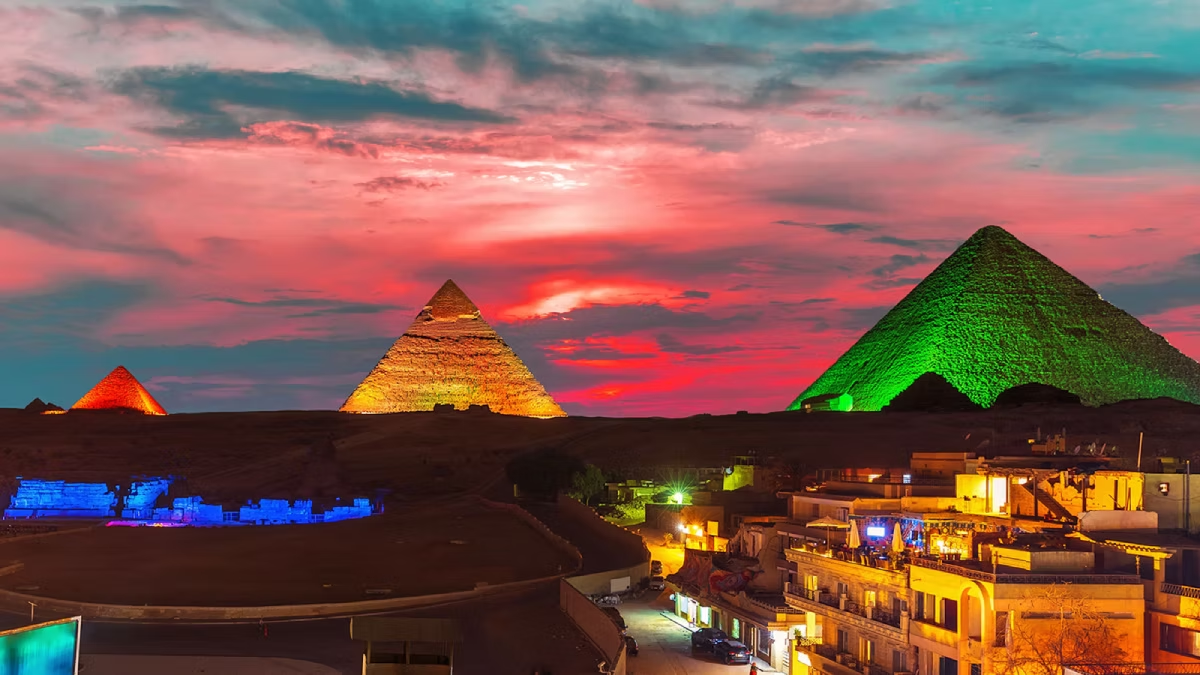
The Pyramids of Giza Sound & Light Show is an evening theatrical experience held at the Sphinx on the Giza Plateau after dark. The show uses coloured lights, sound effects, and narration projected across the monuments to tell the story of ancient Egypt. Shows run most evenings throughout the year in multiple languages, with multiple sessions per night. Tickets cost approximately EGP 350–550 for foreign visitors. The show lasts around 60 minutes and requires a separate ticket from daytime site entry.
The Pyramids of Giza look extraordinary in daylight. After dark, lit up by the Sound & Light Show, they look otherworldly. The show — which has been running at Giza for decades in various iterations — uses projection lighting, theatrical narration, and atmospheric sound design to bring the ancient plateau to life in the Egyptian night sky. It is one of Cairo’s most distinctive evening experiences and a compelling complement to a daytime visit.
This guide covers everything you need to plan your evening at the show: schedule, languages, ticket prices, what to wear, where to sit, and how to book.
What Is the Sound & Light Show?
The Sound & Light Show at the Pyramids of Giza is staged in an open-air amphitheatre facing the Great Sphinx, with the three main pyramids — Khufu, Khafre, and Menkaure — illuminated behind. The Sphinx itself is the focal narrator of the show, its “voice” telling the history of the Giza Plateau across ancient dynasties.
The production uses coloured floodlights to dramatically transform the appearance of each pyramid in turn, alongside music, sound effects, and dramatic narration. The story arc covers the construction of the pyramids, the lives of the pharaohs, and Egypt’s ancient beliefs about death and the afterlife.
The experience is theatrical rather than academic. It is aimed at general visitors rather than Egyptologists, making it accessible and engaging for all ages — including children who may find daytime walking tours physically demanding or information-heavy.
Show Schedule and Languages
The Pyramids of Giza Sound & Light Show runs multiple sessions per evening, typically beginning after sunset at around 6:30 PM in winter and 8:00 PM in summer. Each session is in a different language — including English, French, Arabic, Spanish, German, Italian, Japanese, and others. Multiple sessions run back-to-back on the same evening, meaning you can usually find a session in your preferred language most nights of the week.
The show schedule varies by season, with earlier start times in winter (when it gets dark earlier) and later starts in summer. The schedule also shifts during Ramadan. It is always worth confirming the exact session times and language schedule before booking, as these are updated regularly.
English-language sessions are the most frequently scheduled and are available most evenings throughout the week. The most current schedule is available via the official Egyptian Sound & Light Company, which manages the show.
| Session | Approximate Start Time (Winter) | Approximate Start Time (Summer) |
|---|---|---|
| Session 1 | 6:30 PM | 8:00 PM |
| Session 2 | 7:45 PM | 9:15 PM |
| Session 3 | 9:00 PM | 10:30 PM |
Language assignments rotate across sessions and days of the week. English is typically assigned to Session 1 or 2 on most nights.
Ticket Prices
| Visitor Type | Ticket Price |
|---|---|
| Foreign Adult | EGP 350–550 |
| Foreign Child | EGP 250–350 |
| Egyptian Adult | EGP 75–100 |
Prices are approximate and have historically been revised periodically. Booking in advance through a ticketing platform often locks in a confirmed price and avoids queuing at the gate on the evening of the show.
Note that Sound & Light Show tickets are entirely separate from daytime plateau entry tickets. If you visit the Giza complex during the day and return in the evening for the show, you will pay both entry fees independently.
How to Book Sound & Light Show Tickets
Tickets can be purchased at the Sound & Light Show ticket office on site, located near the Sphinx entrance area. On busy evenings — particularly in December and January — queues at the gate can form before the show. Booking in advance through an online platform eliminates this.
For visitors combining the show with a daytime pyramid visit or arriving as part of a tour from Cairo, some tour operators offer evening show tickets as an add-on or full evening package.
What to Wear and Bring
The Giza Plateau after dark is significantly cooler than during the day — particularly between November and March, when temperatures can drop to 10–15°C (50–59°F) in the evening. A warm layer, jacket, or light coat is essential for winter evening visits even if your daytime visit felt warm.
In summer, evenings remain warm but a light layer is still advisable as you will be sitting still in the amphitheatre for an hour. Comfortable shoes are needed as the path to the amphitheatre involves walking across the sandy plateau terrain.
For a full guide on appropriate clothing and what to bring to the Giza site at any time of day, see our what to bring to the Pyramids of Giza guide.
Seating and Viewing
The amphitheatre seating faces the Sphinx directly, with the three main pyramids rising behind it. All seats have a clear view of the illuminated monuments. There is no significant difference in sightlines between the front and back rows — the scale of the pyramids means they are clearly visible from any position in the amphitheatre.
The most atmospheric photography is possible from the amphitheatre seats — the combination of the lit Sphinx in the foreground and the floodlit pyramids behind creates the iconic Giza night-sky shot.
Is the Sound & Light Show Worth It?
The Sound & Light Show is not a substitute for a daytime visit — the two experiences are entirely different. The show’s value lies in the emotional and atmospheric impact of seeing these 4,500-year-old structures transformed by light and sound after dark. Many visitors who have already spent a day exploring the plateau describe the evening show as a genuinely moving complement, offering a completely different perspective on the same monuments.
For first-time visitors with limited time, combining a daytime visit with the evening show is one of the most complete Giza experiences available. For visitors who have already seen the pyramids by day on a previous trip, the show is a compelling reason to return to the plateau.
For practical planning of your daytime visit, see our guides on opening hours and the best time to visit the Pyramids of Giza.
Frequently Asked Questions
Do I need a separate ticket for the Sound & Light Show?
Yes — Sound & Light Show tickets are entirely separate from daytime Giza Plateau entry tickets. If you visit the pyramids during the day and return for the evening show, you pay both fees independently. There is no combined ticket.
How long is the Sound & Light Show at the Pyramids of Giza?
The show lasts approximately 60 minutes. Multiple sessions run back-to-back each evening, so it is important to arrive a few minutes before your chosen session begins.
What languages is the Sound & Light Show available in?
The show is available in multiple languages including English, French, Arabic, Spanish, German, Italian, and Japanese. English sessions are the most frequently scheduled and are available most evenings. Language assignments rotate across sessions and days of the week, so check the current schedule before booking.
What should I wear to the Sound & Light Show at Giza?
Between November and March, bring a warm jacket or coat — the plateau can drop to 10–15°C after dark. In summer, a light layer is still advisable as you will be seated for an hour. Wear comfortable shoes for the sandy path to the amphitheatre.
Can I book Sound & Light Show tickets in advance?
Yes — advance booking is recommended, especially for busy evenings in December and January when queues at the gate can form before the show. Booking ahead locks in your preferred session time and language.
