

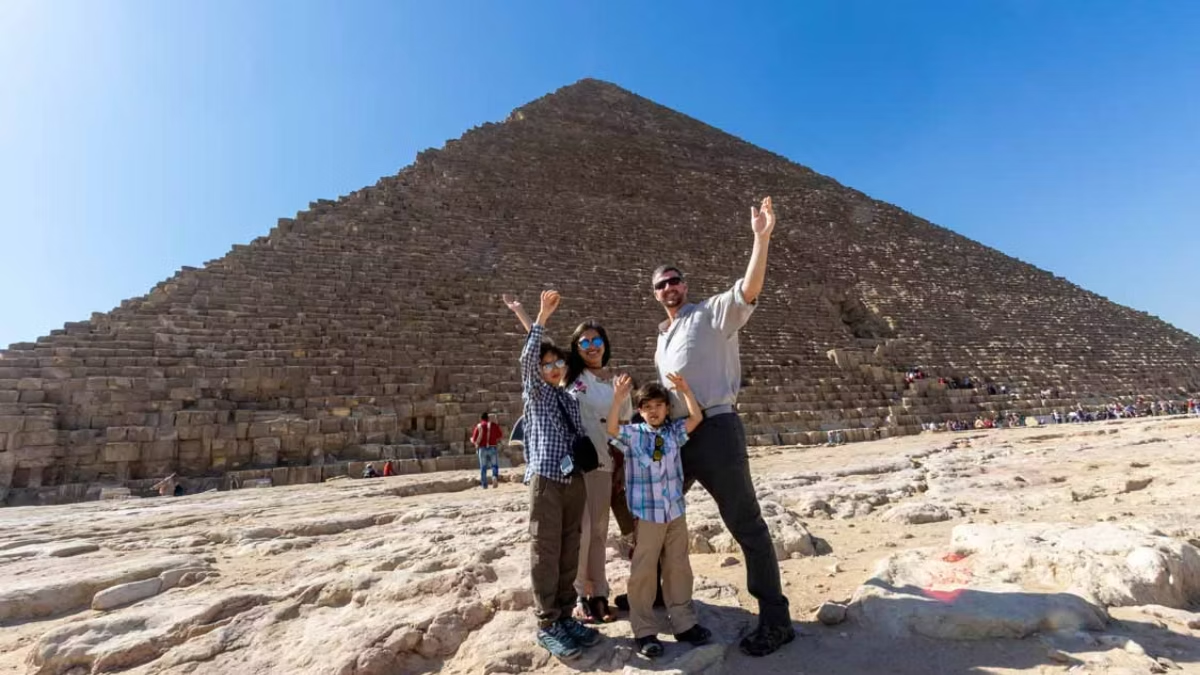
Visiting the Pyramids of Giza with Kids

The Pyramids of Giza are genuinely exciting for children — the sheer scale of the monuments makes an immediate impression, and the open desert setting feels like an adventure. The main challenges for families are the heat, the uneven terrain, and the persistence of vendors in the entrance area. A private guided tour with hotel pickup removes most logistical stress, and visiting early (8:00 AM opening) before heat and crowds build is the single most effective family planning decision. Children under 6 enter free.
The Pyramids of Giza are one of the few ancient wonders that genuinely works for children of all ages. Unlike a museum where the experience depends on reading and interpretation, the Giza Plateau delivers immediate, visceral impact — the pyramids are so large, so old, and so physically present that even young children respond with authentic awe. With the right preparation, a family visit to Giza can be one of the most memorable days of any trip to Egypt.
This guide covers the practical realities: what ages enjoy it most, what the terrain and conditions are actually like, how to manage the heat, what to do about the vendors, and which tour formats work best for families.
What Age Is Right for the Pyramids of Giza?
Children of all ages can visit the Pyramids of Giza, but the experience is most rewarding for children aged 6 and above who can walk reasonable distances on uneven terrain and engage with basic historical storytelling. Toddlers and children under 4 will enjoy the spectacle but may find the walking and heat challenging. Teenagers consistently rate a Giza visit as one of their travel highlights when combined with the camel ride and interior pyramid access.
Under 4 years: The visual impact is real — even very young children respond to the scale of the pyramids — but the practical realities are demanding. The terrain is sandy and uneven, pushchairs are largely unusable on the plateau surface, and heat in warmer months is intense. If you are visiting with a toddler, keep the visit short (2–3 hours maximum), stay in the morning window before 10:30 AM, bring shade options (carrier with sun canopy rather than pushchair), and lower your expectations for how much ground you will cover.
4–8 years: This is a sweet spot. Children this age find the pyramids magical, can walk the distances involved with occasional encouragement, and are young enough to be genuinely amazed rather than self-conscious about being impressed. A good guide who pitches their storytelling to children — many licensed Egyptologists are experienced at this — can make the history genuinely engaging at this level.
9–14 years: Often the most rewarding age for a Giza visit. Children at this age can handle the interior pyramid experience, engage with the historical content at depth, and remember the visit vividly for the rest of their lives. The camel ride is a particular highlight for this group.
Teenagers: Teenagers who arrive sceptically often leave as enthusiasts — the scale of the monuments and the physical experience of climbing inside the Great Pyramid consistently converts even the most reluctant teen visitors.
Practical Tips for Families
Arrive at opening time: 8:00 AM is the single most important family planning decision. The plateau is coolest, least crowded, and most manageable in the first 90 minutes after opening. This also gives you the best photography light — important for the family photographs that will define the memory of the visit. For full timing advice, see our best time to visit guide.
Book a private tour: The private tour format — where a guide and vehicle are dedicated exclusively to your family — is by far the best option for families with children. You set the pace, take breaks when needed, and do not have to keep up with a group schedule. Your guide handles all ticketing logistics, and the camel ride is pre-arranged cleanly. See our private vs group tours guide for a full comparison, and our half-day private tour from Cairo with camel ride for a recommended family option.
Prepare children for the vendor area: The entrance area on Al Haram Street involves persistent approaches from vendors selling souvenirs, offering camel rides, and proposing services. This can feel overwhelming to children and stressful for parents. A clear briefing before arrival — “people will try to sell us things and we will politely say no thank you” — helps children navigate it without anxiety. Once through the main gate and on the plateau itself, the experience is much calmer. See our scams and safety tips guide for the full picture.
Carry plenty of water and snacks: Children dehydrate faster than adults, and blood sugar management matters on a long, active day. Carry 1.5–2 litres of water per person plus sealed snacks. See our what to bring guide for the complete family packing list.
Plan for the interior pyramid carefully: The Great Pyramid interior involves a steep, narrow ascending passage where the ceiling reduces to approximately 1.2 metres in places — requiring sustained stooping. Children who are claustrophobic, prone to anxiety in confined spaces, or unable to manage the physical demands should skip the interior. For children who are physically capable and interested, it is a genuinely thrilling experience. The interior ticket costs EGP 1,000 per adult and EGP 500 per student — children under a certain age may not need a ticket; confirm at the gate.
What Children Enjoy Most at Giza
Based on consistent visitor feedback, the experiences that resonate most strongly with children at the Pyramids of Giza are:
The camel ride — nearly universally loved by children aged 5 and above. The combination of the unusual experience of riding a camel, the height perspective, and the pyramid backdrop makes it the highlight of the day for most children. If you book it as part of a private tour, the pricing and handling are pre-arranged, removing the stress of independent negotiation. See our camel rides guide for how to manage it independently.
The interior of the Great Pyramid — for children aged 9 and above who are physically and emotionally ready. The narrow passages, the climb, and the King’s Chamber with its empty sarcophagus trigger a genuine sense of adventure and wonder.
The scale of the Great Pyramid base — walking around the base of the Great Pyramid and realising how enormous each individual stone block is (averaging 2.5 tonnes) makes an immediate impression that no photograph conveys.
The Sphinx at close range — approaching the Sphinx on the lower terrace and seeing its true scale — 20 metres tall and 73 metres long — surprises most children who have only seen it in photographs.
Cool Season vs Hot Season for Families
October through April is strongly recommended for families with children. The cooler temperatures make the outdoor plateau far more manageable, children tolerate the walking and heat better, and the visit can extend to a comfortable half-day without becoming an endurance test.
Summer visits (May–September) are possible but require strict management: arrive at 8:00 AM, plan to leave by 11:00 AM, carry significantly more water, and apply high-SPF sunscreen before arriving. For full seasonal advice, see our best time to visit guide.
Frequently Asked Questions
What age is best for visiting the Pyramids of Giza with kids?
Children aged 6 and above get the most out of a Giza visit, as they can handle the walking on uneven terrain and engage with basic historical storytelling. The 9–14 age group is particularly well-suited — they can enter the Great Pyramid interior, process the historical depth, and will remember the experience vividly. That said, children of all ages respond to the sheer scale of the monuments.
Is entry to the Pyramids of Giza free for young children?
Yes, children under 6 enter the Giza Plateau free of charge. Interior pyramid tickets are priced separately — EGP 1,000 per adult and EGP 500 per student — and children under a certain age may not require a ticket at all; it’s worth confirming at the gate on the day of your visit.
What is the best time of day to visit the Pyramids of Giza with children?
Arriving at the 8:00 AM opening time is the single most effective planning decision for families. The plateau is at its coolest and least crowded in the first 90 minutes, and the morning light produces the best photographs. In summer months, plan to leave by 11:00 AM before the heat becomes unmanageable for children.
Are camel rides at the Pyramids of Giza suitable for children?
Camel rides are one of the most consistently loved highlights for children aged 5 and above at Giza. The elevated perspective, the novelty of riding a camel, and the pyramid backdrop combine to make it a standout memory for most young visitors. Booking a camel ride as part of a private tour removes the need to negotiate pricing independently, which keeps the experience stress-free for families.
Can children go inside the Great Pyramid?
Children can enter the Great Pyramid, but parents should assess readiness carefully before booking interior tickets. The ascending passage narrows to approximately 1.2 metres in height, requiring sustained stooping — children who are claustrophobic or prone to anxiety in confined spaces should skip it. For physically capable and curious children aged 9 and above, the interior experience including the King’s Chamber and its empty sarcophagus is genuinely thrilling.
How do I handle the vendors at the Pyramids of Giza when visiting with kids?
The entrance area on Al Haram Street involves persistent approaches from vendors selling souvenirs and services, which can feel overwhelming for children. Briefing children before arrival — explaining that people will offer things and that a polite “no thank you” is all that’s needed — significantly reduces anxiety. Once through the main gate and onto the plateau itself, the atmosphere becomes noticeably calmer.
What is the best season to visit the Pyramids of Giza with children?
October through April is strongly recommended for families, as cooler temperatures make the outdoor plateau far more manageable for children on foot. Summer visits (May–September) are possible but require strict timing — arrive at 8:00 AM and leave by 11:00 AM — along with significantly more water and high-SPF sunscreen applied before you arrive.
