

What to Bring to the Pyramids of Giza — Packing List & Dress Code 2026

The essentials for a visit to the Pyramids of Giza are: comfortable closed-toe walking shoes, lightweight breathable clothing that covers shoulders and knees (Egypt’s dress code for archaeological sites), a minimum of 1.5 litres of water per person, high-SPF sunscreen, a hat or cap, and sunglasses. Egyptian Pound cash is needed for on-site ticket purchases, tips, and optional extras such as camel rides. A fully charged phone or camera is important — photography is the primary activity for most visitors.
The Giza Plateau is an open-air desert site with almost no shade, a sandy and uneven surface underfoot, and temperatures that range from pleasantly cool in winter mornings to genuinely fierce in summer midday. What you bring can make the difference between a comfortable, memorable visit and an exhausting one. This guide covers everything — clothing, footwear, sun protection, water, cash, camera kit, and what not to bother bringing.
Clothing and Dress Code
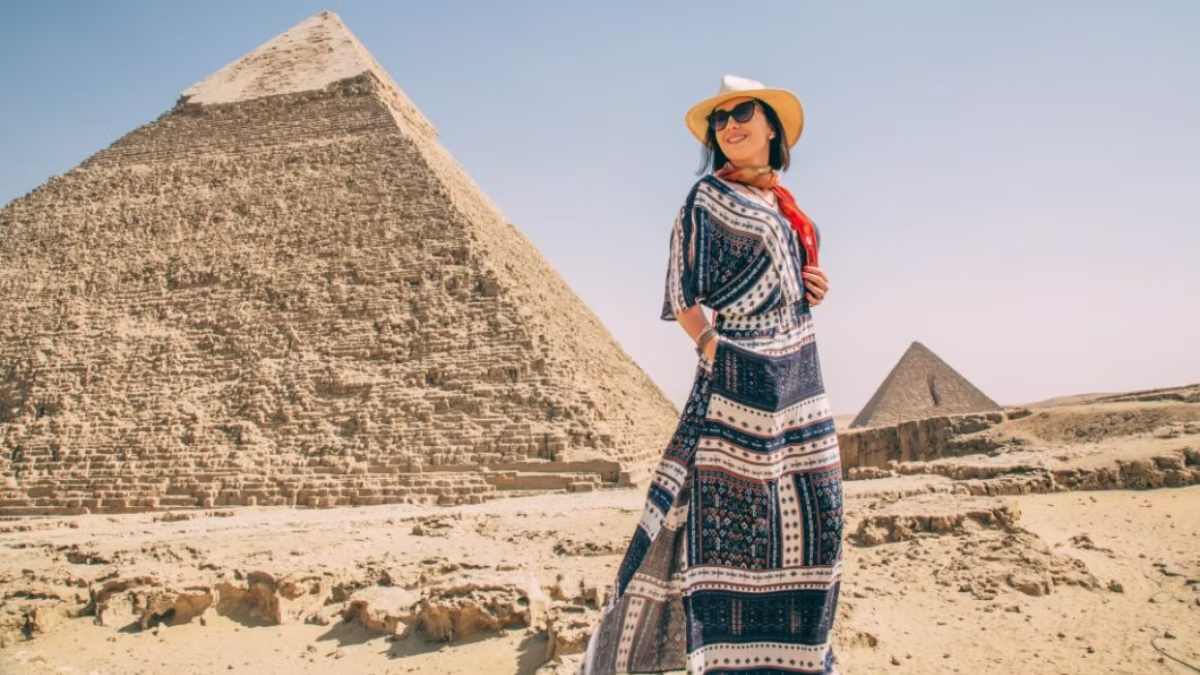
Egypt does not enforce a strict formal dress code at the Pyramids of Giza for foreign visitors in the way some religious sites do, but conservative dress — shoulders and knees covered — is respectful, practical in the sun, and avoids unwanted attention. Lightweight, loose-fitting trousers or a long skirt, and a short-sleeved top with a light layer to cover arms when needed, is the ideal combination year-round.
What to wear:
Trousers or long skirt — loose, lightweight cotton or linen. These protect your legs from the sun, are appropriate for the site, and are far more comfortable than shorts on the sandy terrain. Lightweight hiking trousers are ideal; a maxi skirt works equally well.
Short-sleeved top with a cover-up layer — a short-sleeved shirt is fine for most of the day; a light linen shirt or thin scarf to cover your shoulders is useful when the sun is most intense or when entering any enclosed areas. Women particularly appreciate having an extra layer for comfort and modesty.
Avoid: tight jeans (uncomfortable and warm), sleeveless tops or shorts without a cover layer, white clothing (the sandy environment makes it impractical), and heels of any kind.
For interior pyramid visits: The ascending passages inside the Great Pyramid are warm (approximately 25°C year-round), narrow, and require sustained stooping. Loose, breathable clothing and the absence of bulky bags are important for physical comfort inside.
Footwear
Comfortable, closed-toe walking shoes with a grip sole are essential. The Giza Plateau surface is a mixture of sand, uneven stone paving, and rock. Trainers, walking shoes, or sturdy sandals with a back strap and closed toe all work well.
Avoid: flip-flops or open sandals (sand gets inside and causes blisters over a multi-hour walk), heeled shoes of any kind, and brand-new shoes you haven’t broken in.
If you are planning a camel ride, note that mounting and dismounting a camel involves an abrupt tilting motion — footwear with some ankle support is more comfortable than flat slip-ons.
Sun Protection
Sun protection at the Pyramids of Giza is not optional — the plateau is fully exposed with virtually no natural shade. Apply SPF 30–50 sunscreen before arriving and bring it for reapplication. A wide-brim hat or cap is essential. UV-protective sunglasses are strongly recommended. Visitors who underestimate the sun exposure at Giza consistently describe it as one of the most challenging aspects of the visit.
Sunscreen: Apply a minimum of SPF 30 — SPF 50 for fair skin or summer visits — to all exposed skin before leaving your hotel. Reapply after 2 hours and after sweating. A small tube or bottle is easy to carry.
Hat: A wide-brim hat provides far better protection than a cap for the neck and face. A packable sun hat takes up minimal space and makes a significant difference to comfort on a 4–5 hour plateau visit.
Sunglasses: The reflected glare from pale limestone and desert sand is intense. UV-protective sunglasses reduce eye strain over the course of the visit significantly.
Water
Carry a minimum of 1.5 litres of water per person for a standard half-day visit; 2 litres or more for a full-day visit or any visit during summer months (May–September). Water is available to purchase on site from vendors at inflated prices — having your own supply means you drink freely rather than rationing.
A reusable insulated bottle keeps water cooler for longer in the heat. If you are visiting in summer, partially freeze the bottle the night before — it will still be cool by mid-morning.
Cash (Egyptian Pounds)
Egyptian Pound cash is needed for:
- On-site additional ticket purchases (Great Pyramid interior: EGP 1,000; Solar Boat Museum: EGP 100)
- Camel and horse rides (if negotiating independently — see our camel rides guide)
- Tips for guides, drivers, and handlers
- On-site café purchases
- Souvenir vendors
ATMs are not located within the Giza complex. The nearest reliable ATMs are in the surrounding Giza city area. Arrive with more cash than you think you’ll need.
Camera and Photography Kit
Mobile phone cameras are free to use throughout the site. Dedicated cameras are also permitted. Photography with a drone requires advance permission from the Egyptian authorities and is not available to standard visitors on an individual basis.
What to bring:
- Fully charged phone or camera (bring a portable power bank for longer visits)
- Extra memory card if using a dedicated camera
- Lens cloth — the sandy environment generates fine dust that settles on lenses
For the best photography locations on the plateau, including the panoramic viewpoint, the Sphinx terrace, and the early morning light angles, see our best photo spots guide.
What Not to Bring
Large backpacks or luggage: Oversized bags are cumbersome on the plateau terrain and may be subject to security checks at entry. A small daypack is ideal.
Valuables beyond what you need: Pickpocketing is rare within the site but the vendor-heavy entrance area has some risk. Leave expensive jewellery and unnecessary cards at the hotel.
Drone: Drones are not permitted for individual visitors without advance written permission.
Perishable food: The heat accelerates spoilage. Sealed snacks (nuts, energy bars, dried fruit) are fine; avoid anything that needs refrigeration.
Quick Packing Checklist
- Comfortable closed-toe walking shoes ✓
- Lightweight trousers or long skirt ✓
- Short-sleeved top + light cover-up layer ✓
- Hat (wide brim recommended) ✓
- Sunglasses (UV protective) ✓
- Sunscreen (SPF 30–50) ✓
- Water (1.5–2 litres per person) ✓
- Egyptian Pound cash ✓
- Fully charged phone or camera ✓
- Small daypack ✓
- Portable power bank (for full-day visits) ✓
- Reusable insulated water bottle ✓
Frequently Asked Questions
What is the dress code for visiting the Pyramids of Giza?
Egypt does not enforce a strict formal dress code at the Pyramids of Giza for foreign visitors, but conservative dress covering shoulders and knees is strongly recommended. Lightweight trousers or a long skirt with a short-sleeved top and a light cover-up layer is the ideal combination for both comfort and respectful presentation year-round.
How much water should I bring to the Pyramids of Giza?
Bring a minimum of 1.5 litres of water per person for a standard half-day visit, and at least 2 litres for a full-day visit or any visit during summer months (May–September). Water is available from on-site vendors but at inflated prices, so carrying your own supply means you can drink freely throughout the visit.
Do I need cash to visit the Pyramids of Giza?
Yes, Egyptian Pound cash is essential on site — ATMs are not located within the Giza complex. You will need cash for extras such as the Great Pyramid interior ticket (EGP 1,000), the Solar Boat Museum (EGP 100), camel rides, tips, and souvenir vendors.
What shoes are best for visiting the Pyramids of Giza?
Comfortable, closed-toe walking shoes with a grip sole are the best choice — the Giza Plateau is a mix of sand, uneven stone paving, and rock. Avoid flip-flops and open sandals, as sand gets inside and causes blisters over a multi-hour walk, and never wear new shoes you haven’t already broken in.
Can I bring a drone to the Pyramids of Giza?
No, drones are not permitted for individual visitors at the Pyramids of Giza without advance written permission from Egyptian authorities. Standard visitors cannot obtain this permission on an individual basis, so leave your drone at home and rely on your phone or camera instead.
What sunscreen SPF should I use at the Pyramids of Giza?
Use a minimum of SPF 30, and SPF 50 for fair skin or visits during the summer months. The Giza Plateau is fully exposed with virtually no natural shade, and the reflected glare from pale limestone and desert sand intensifies sun exposure significantly — reapply every 2 hours and after sweating.
What should I NOT bring to the Pyramids of Giza?
Avoid large backpacks or luggage, as they are cumbersome on the sandy terrain and may face extra security checks at entry. Leave drones, expensive jewellery, unnecessary bank cards, and perishable food at your hotel — the desert heat accelerates food spoilage quickly, so sealed snacks like nuts or energy bars are the safest option.
